

Understanding how to get insurance to pay for roof replacement is something most Illinois homeowners only think about after a storm has already hit. The process is not automatic, it is not guaranteed, and it looks different from one policy to the next. Insurance companies vary significantly in how they assess damage, what they consider a covered cause of loss, and how they calculate a payout. That said, homeowners who follow the right steps give themselves the best possible chance of a fair outcome. Homeowners in Darien and surrounding areas face some of the most active storm seasons in the Midwest, and knowing how to navigate a roof claim before you need to file one is one of the most valuable things you can do as a property owner.
Here is what this guide covers:
- What actually determines coverage: Why some claims are approved and others are denied, and what your policy language really means for your roof.
- The 7-step process: A clear, honest walkthrough of each stage of a roof insurance claim from inspection to final payout.
- How to protect yourself: The documentation habits, contractor choices, and professional resources that give your claim the strongest possible foundation.
Does Homeowners Insurance Cover Roof Replacement? The Honest Answer
Homeowners insurance may cover roof replacement, but whether it does in your specific situation depends on several factors that are entirely unique to your policy, your roof, and how the damage occurred. There is no universal answer, and anyone who tells you otherwise is overpromising.
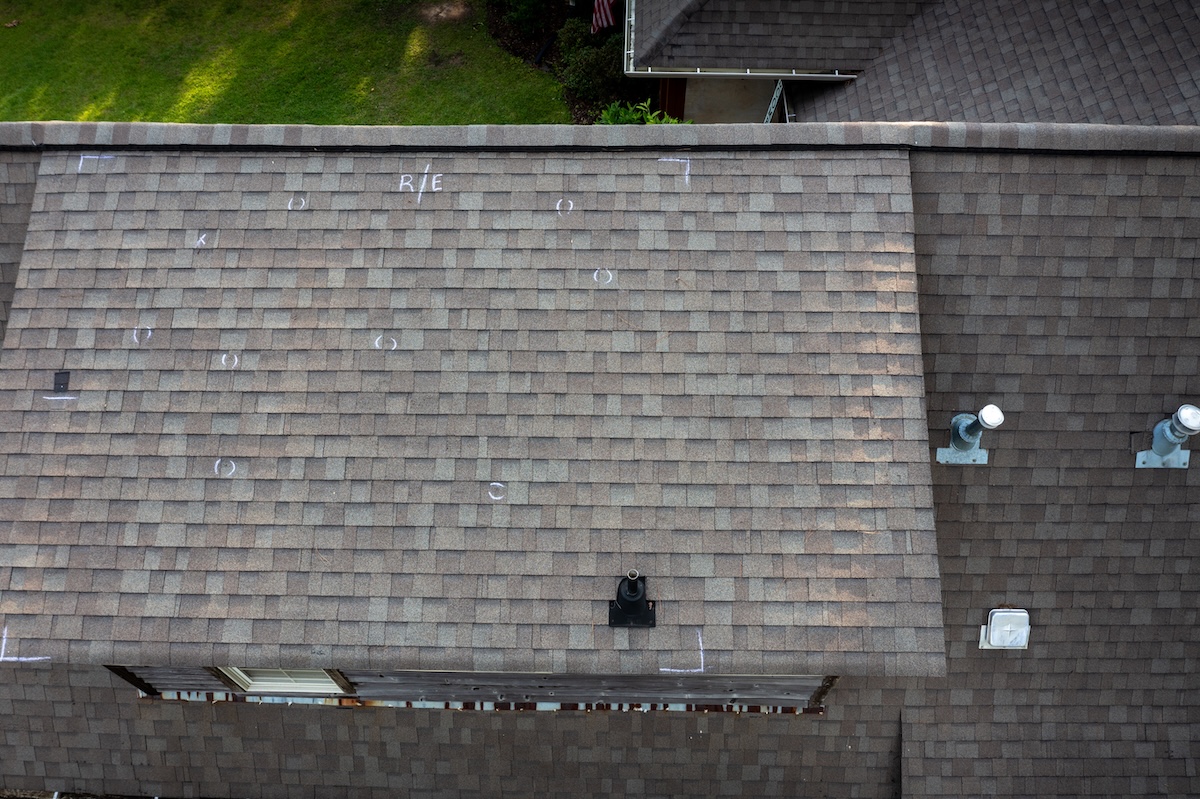
Most standard homeowners policies cover roof damage caused by a sudden, accidental event listed as a covered peril in your policy. Common covered perils include hail, wind, falling trees or branches, and fire. What those same policies almost universally exclude is damage caused by normal aging, wear and tear, lack of maintenance, or gradual deterioration over time. The line between storm damage and age-related wear is exactly where most insurance disputes happen, and it is where thorough documentation matters most.
What Does Your Policy Actually Say?
Your policy’s declarations page and coverage sections are the only authoritative source for what your specific insurance covers. Two neighbors on the same street can have completely different outcomes from the same storm if their policies differ. Reading your policy before filing a claim, not after, puts you in a much stronger position.
- Replacement cost value (RCV): Some policies pay the full cost to replace your roof with new materials of similar kind and quality, minus your deductible. This is generally the more favorable coverage type for homeowners.
- Actual cash value (ACV): Other policies, particularly for older roofs, pay the depreciated value of the roof at the time of the loss. A 15-year-old roof has lost significant value on paper, so an ACV payout may cover far less than the actual replacement cost.
- Wind and hail deductibles: Many Illinois policies carry a separate, higher deductible specifically for wind and hail claims, sometimes calculated as a percentage of your home’s insured value rather than a flat dollar amount. A 2% deductible on a $400,000 home means $8,000 out of pocket before your insurance pays anything.
- Age-based restrictions: An increasing number of Illinois carriers are attaching ACV endorsements to roofs over 10 years old at renewal, sometimes without clear disclosure. Check your most recent policy documents carefully if your roof is older.
What Causes a Claim to Be Denied?
Understanding the most common denial reasons helps you avoid them. Insurance companies do not deny claims arbitrarily, but their adjusters are trained to identify reasons why damage may fall outside coverage.
- Pre-existing or deferred maintenance: If visible deterioration predates the storm event you are claiming, the insurer may attribute the damage to aging rather than the storm. Regular maintenance and documented inspection records work in your favor here.
- Wear and tear exclusions: Standard policy language excludes deterioration. Adjusters routinely cite this exclusion when shingles show granule loss, cracking, or curling consistent with age, even when a storm contributed to the final failure.
- Insufficient damage threshold: Not every storm event results in damage severe enough to justify replacement. An adjuster may determine that the damage is limited enough to warrant repair rather than full replacement.
- Late reporting: Most policies require prompt notice of a loss. Waiting weeks or months after a storm to file a claim gives the insurer grounds to question whether the damage is actually from the event you are citing.
7 Steps to Give Your Roof Insurance Claim the Best Possible Chance
These steps will not guarantee a specific outcome. Insurance companies make independent determinations and no contractor, public adjuster, or guide can promise you a particular result. What these steps can do is put you in the strongest possible position by making sure the damage is properly documented, professionally assessed, and accurately presented to your carrier.
1. Inspect Your Roof After Every Significant Storm
The most effective thing you can do for a future insurance claim is to inspect your property after every hailstorm, wind event, or significant weather occurrence, even if you see no obvious interior damage. Most storm damage to roofing materials is not visible from inside the home until it has been there long enough to cause a leak, and by that point the insurer may question whether the damage is truly storm-related or the result of long-term neglect. In Darien and surrounding areas, where hailstorms are a recurring spring and summer event, building the habit of post-storm inspections gives you a consistent, timestamped record of your roof’s condition over time.
- What to do from the ground: Walk the perimeter of your home and look for granules accumulating in gutters and downspouts, dented or bent gutters and downspouts, and any visible displaced or damaged shingles.
- Interior check: Look at ceilings and attic spaces for any new water staining, wet insulation, or daylight visible through the roof deck after a major storm.
- Do not climb the roof yourself: Leave roof-level inspection to a licensed contractor. A fall from a wet or damaged roof is a far more serious consequence than any documentation gap.
- Date your observations: Take photos immediately after a storm and make sure your phone’s timestamp is accurate. The date of your documentation matters significantly when establishing that damage followed a specific storm event.
2. Schedule a Professional Roof Inspection Promptly
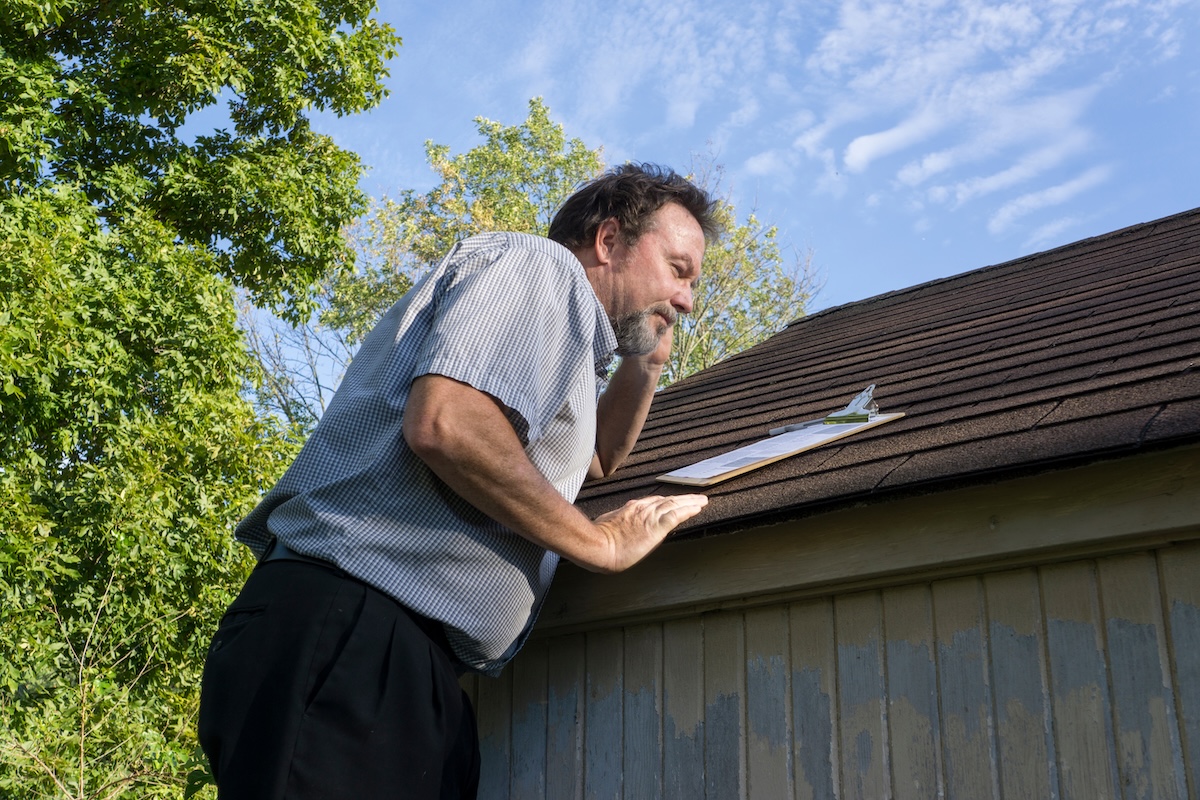
A professional inspection by a licensed roofing contractor is the foundation of any credible insurance claim. Your own photos are helpful, but they cannot replace the findings of a trained inspector who can access the roof surface, identify impact patterns consistent with hail, measure damage density per square, and document findings in writing. The sooner you schedule an inspection after a storm, the cleaner the documentation. Inspections completed weeks or months after an event can be challenged by insurers as inconclusive about timing. Lifetime Restoration offers complimentary inspections for homeowners in Darien and surrounding areas, so the cost of getting a professional assessment before you decide whether to file a claim is zero.
- What a professional inspection documents: Hail impact density per 100 square feet, damaged or displaced shingles, compromised flashing, dented gutters and vents, and any evidence of water infiltration.
- Written inspection report: Ask specifically for a written report with photos, not just a verbal summary. A written report signed by a licensed contractor carries far more weight with an insurance adjuster than a phone conversation.
- Timing matters: File for an inspection and request a written report within one to two weeks of a storm event whenever possible. Prompt action signals to your insurer that the damage is genuinely tied to a specific occurrence.
- Manufacturer-certified contractors: Contractors holding certifications like GAF Silver Pledge or Owens Corning Preferred status are recognized by those manufacturers as qualified installers and inspectors, which adds credibility to their findings.
3. Review Your Policy Before You File
Before you contact your insurance company, read the relevant sections of your policy. This sounds simple, but a significant number of homeowners file claims without knowing what their deductible is, whether they carry RCV or ACV coverage, or whether a wind and hail percentage deductible applies. Knowing this information in advance prevents surprises and helps you make an informed decision about whether filing a claim is the right move for your situation. If the estimated repair cost is close to your deductible, filing a claim may not benefit you financially and could affect your future premiums or insurability.
- Find your declarations page: This is the summary document at the front of your policy that lists your coverage types, deductibles, and policy limits. It is the fastest way to understand your baseline coverage.
- Identify your deductible type: Confirm whether you have a flat deductible or a wind and hail percentage deductible. The difference can be thousands of dollars on a single claim.
- Check your roof’s coverage schedule: Some policies include a payment schedule that reduces the covered amount based on the roof’s age. A 20-year-old roof on a depreciation schedule may be covered at only a fraction of replacement cost even under an approved claim.
- When in doubt, ask: Your insurance agent can explain your policy terms in plain language. Asking questions before filing is always a better approach than discovering limitations after you have already submitted a claim.
4. File Your Claim With Complete, Organized Documentation
When you are ready to file, contact your insurance company and report the damage as promptly as your policy requires. Most carriers want notice within a reasonable time after the loss, and many recommend reporting within 48 to 72 hours of discovering damage. When you file, have your documentation organized and ready. The quality and completeness of your documentation is one of the biggest variables in how a claim proceeds. According to Verisk’s U.S. Roofing Realities Trend Report, residential roof claim costs reached roughly $31 billion nationwide in 2024, an increase of about 30 percent since 2022, reflecting both rising material costs and the sheer volume of storm events driving claims. In that environment, well-documented claims stand out.
- Photos and video: Submit timestamped photos and video of all exterior and interior damage. More documentation is better than less. Include wide-angle context shots and close-up detail shots.
- Your contractor’s inspection report: Include the written inspection report from your licensed roofing contractor alongside your claim filing. This gives the adjuster a professional assessment to reference before they conduct their own inspection.
- Storm event records: Weather data services can provide documented records of hail size, wind speeds, and storm dates for your address. Your contractor or public adjuster can often pull this data for you.
- Claim number and contact records: Write down the claim number, the name of the representative you spoke with, and the date and time of every call. This creates a paper trail that protects you if there are any disputes about the timeline.
5. Be Present and Prepared During the Adjuster’s Inspection
Your insurance company will assign an adjuster to inspect the damage in person. This inspection is a critical moment in the claims process, and how you handle it matters. You have the right to be present during the adjuster’s inspection, and you should be. You also have the right to have your contractor present so that both professionals can inspect the roof at the same time. When the adjuster and your contractor review the same roof together, it reduces the likelihood that findings are missed or disputed after the fact. Do not be confrontational, but do not be passive either. If your contractor identifies damage the adjuster did not note, a calm, professional conversation about that discrepancy on the spot is far more productive than a written dispute after the report has been filed.
- Have your contractor present: Ask your roofing contractor to be available during the adjuster’s scheduled inspection. Two professionals looking at the same roof at the same time creates the clearest possible shared record.
- Ask questions: If the adjuster notes a finding you do not understand, ask them to explain it in plain language. Understanding what they are documenting in real time gives you the opportunity to raise any concerns before the report is complete.
- Do not minimize damage: Let the adjuster do their job fully. Do not suggest that damage is minor or limited. Your role is to provide access and documentation, not to characterize the damage yourself.
- Get the adjuster’s findings in writing: Request a written copy of the adjuster’s scope of loss report before you agree to anything. Review it alongside your contractor’s inspection report to compare findings.
6. Understand the Estimate and Negotiate If Necessary
After the adjuster’s inspection, your insurer will send you a written scope of loss and an estimate of what they will pay. Read this document carefully and compare it line by line to your contractor’s written estimate. Discrepancies are common. Insurance estimates are generated using pricing databases that do not always reflect current material costs in your local market. If your contractor’s estimate for the same scope of work is significantly higher than the insurance estimate, you have the right to dispute that difference. This is not a confrontation; it is a normal part of the claims process, and most carriers have a formal dispute or supplemental claim process for exactly this situation.
- Line-by-line comparison: Go through both estimates item by item with your contractor. Note every line where the insurance estimate is lower or where a line item is missing entirely.
- Material cost discrepancies: Insurance pricing databases are sometimes updated less frequently than actual market prices. Your contractor can provide current supplier invoices to support a higher material cost figure.
- Supplemental claims: If additional damage is discovered during the repair process that was not included in the original estimate, a supplemental claim can be filed to cover that added scope. Document everything before closing up any opened areas.
- Know when to escalate: If your estimate dispute is not resolved through normal channels, you have the right to invoke the appraisal or dispute resolution process outlined in your policy. A licensed public adjuster or, in serious cases, an attorney can assist with this process.
7. Work With a Licensed Public Adjuster If the Claim Is Disputed or Denied
If your claim is denied, the payout is substantially lower than the documented damage, or the insurer’s cause-of-loss determination does not match your contractor’s findings, a licensed public adjuster is your most effective resource. A public adjuster works on your behalf, not the insurance company’s, and their job is to document the full scope of your loss, interpret your policy language in your favor, and negotiate directly with your carrier. In Illinois, public adjusters are licensed and regulated by the Illinois Department of Insurance and typically work on a contingency fee basis, meaning they charge a percentage of what they recover rather than an upfront fee. Lifetime Restoration has a licensed public adjuster on staff, so you do not have to search for one separately.
- What a public adjuster does: Reviews your policy, inspects the damage independently, pulls weather documentation, prepares a detailed damage estimate, and negotiates the settlement with your insurer on your behalf.
- When to involve one: Consider a public adjuster from the beginning if your roof is older, if your carrier has a history of disputed claims in your area, or if the initial adjuster’s report seems to undercount the damage.
- Fee structure: Illinois public adjusters work on contingency, meaning no recovery means no fee. Confirm the percentage fee agreement in writing before engaging any adjuster.
- Illinois Department of Insurance complaints: If you believe your claim was handled unfairly or in bad faith, the Illinois Department of Insurance accepts consumer complaints and has the authority to investigate insurance company conduct.
What Affects the Final Outcome of a Roof Insurance Claim?
Even following every step above, outcomes vary. Policy language, roof age, the specific cause of damage, claim history, and the individual adjuster all play a role. No process guarantees approval, and any contractor or service provider who promises you a specific result before seeing your policy and your roof is not being straight with you. What the steps above do guarantee is that you have given your claim every legitimate advantage, and that you are not leaving money on the table through poor documentation or missed process steps.
Frequently Asked Questions About Roof Insurance Claims in Illinois
Does Homeowners Insurance Always Cover Roof Replacement?
No. Coverage depends on your policy terms, the cause of the damage, and your roof’s condition and age. Damage from sudden events like hail or wind is typically covered. Damage from aging, wear, or deferred maintenance is almost universally excluded. Read your policy before filing.
How Long Does a Roof Insurance Claim Take?
Most claims move from filing to adjuster inspection within 7 to 14 days. After the inspection, insurers typically issue a scope of loss and initial payment within another 7 to 10 business days. Disputed claims, supplemental claims, or appraisal processes can extend the timeline significantly.
What Is the Difference Between RCV and ACV for Roof Claims?
Replacement cost value (RCV) pays the full cost to replace your roof with new materials, minus your deductible. Actual cash value (ACV) pays that same amount minus depreciation based on your roof’s age. An older roof on ACV coverage may receive a significantly smaller payout than its actual replacement cost.
Should I File a Claim for Every Roof Storm Damage Event?
Not necessarily. If the damage estimate is close to your deductible, filing a claim may not benefit you and could affect your future premiums or policy renewability. A complimentary inspection from a licensed contractor helps you assess the damage scope before deciding whether a claim makes financial sense.
Can My Insurance Company Drop Me After a Roof Claim?
In Illinois, insurers can non-renew a policy for various reasons, including claim frequency. Filing a single legitimate claim rarely results in non-renewal, but multiple claims in a short period can lead to a policy review. This is another reason not to file claims for minor damage that falls near your deductible.
What Can I Do If My Roof Claim Is Denied?
Request a written explanation of the denial that cites specific policy language. Review that language with your roofing contractor and consider engaging a licensed public adjuster to independently assess the damage and challenge the denial. You can also file a complaint with the Illinois Department of Insurance if you believe the denial was improper.
Let Lifetime Restoration Help You Navigate the Process in Darien and Beyond
A roof insurance claim is one of the most consequential interactions you will have with your homeowners insurance company. Getting it right matters, and having experienced professionals on your side from the beginning makes a real difference.
Lifetime Restoration serves homeowners in Darien and surrounding areas as a GAF Silver Pledge contractor, an Owens Corning Preferred contractor, and a Hardie-certified installer. We offer complimentary roof inspections so you have a professional, written assessment in hand before you ever contact your insurer. Our licensed public adjuster is available in-house to help you understand your policy, document your damage accurately, and advocate for a fair settlement if your claim is disputed. We also offer financing options for situations where out-of-pocket costs are a concern, regardless of what your insurer ultimately covers. Contact Lifetime Restoration today to schedule your complimentary inspection and start the process with a team that knows the Illinois insurance landscape and will be honest with you every step of the way.