

Whether you can get insurance roof replacement coverage is one of the most common questions homeowners ask, and the honest answer is that it depends entirely on your specific policy, your roof, and how the damage happened. There is no universal yes or no. Two neighbors on the same street can experience the same hailstorm and get completely different outcomes from their insurance companies because their policies, coverage types, and roof ages differ. Homeowners in Homer Glen and surrounding areas deal with storm seasons that make this a real and recurring question, so understanding the key factors before you file a claim puts you in a far stronger position than finding out the hard way.
Here is what this guide covers:
- What determines coverage: The specific factors that decide whether your roof replacement is covered, partially covered, or not covered at all.
- The RCV vs. ACV difference: Why the type of coverage you carry can mean the difference between a full payout and a fraction of one.
- How to prepare: What to check in your policy and what to do before you file so you make an informed decision.
The Honest Answer: It All Depends on Your Policy
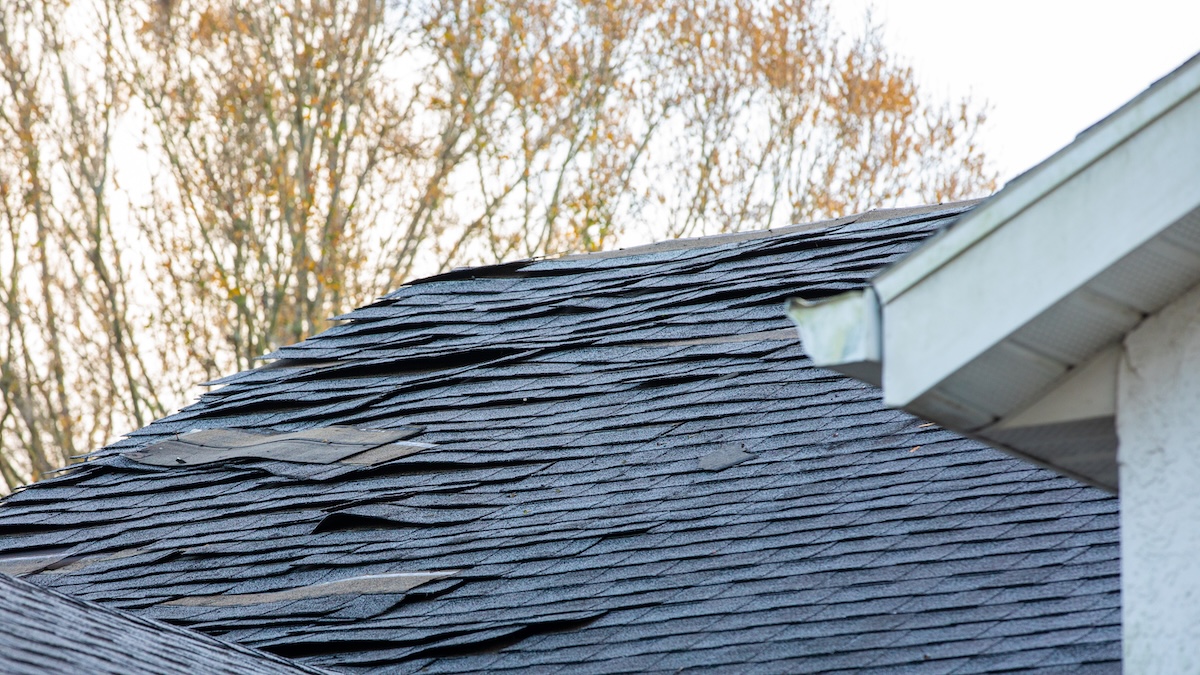
There is no single answer to whether homeowners insurance covers roof replacement, because the answer is written into your individual policy. Some homeowners have robust coverage that pays for a full replacement after a covered storm, minus their deductible. Others discover only after a loss that their policy pays a heavily depreciated amount, or excludes the damage entirely. The variables are significant, and anyone who tells you your roof is definitely covered without reading your policy is not being straight with you.
What almost every standard homeowners policy has in common is this basic framework: damage from a sudden, accidental event listed as a covered peril, such as wind, hail, or a fallen tree, is generally eligible for coverage, while damage from aging, wear and tear, or lack of maintenance is generally excluded. Everything beyond that framework, including how much you actually receive, comes down to the specific terms, coverage type, deductibles, and endorsements in your policy. That is why the four things below matter so much before you file.
Why Do Outcomes Vary So Much Between Homeowners?
The same storm can produce wildly different insurance outcomes because each policy is a unique combination of coverage decisions made when the policy was written or last renewed. Understanding the main variables helps explain why your neighbor’s experience may tell you very little about your own.
- Coverage type: Whether your policy pays replacement cost or actual cash value dramatically changes your payout, sometimes by tens of thousands of dollars for the same damage.
- Roof age: Many insurers reduce or restrict coverage on older roofs, and an aging roof may be covered very differently than a newer one under otherwise identical policies.
- Deductible structure: A flat deductible and a percentage-based wind and hail deductible produce very different out-of-pocket costs on the same claim.
- Cause of damage: Whether the insurer classifies the damage as sudden storm damage or as gradual wear and tear determines whether the claim is covered at all.
4 Things to Know Before You File a Roof Insurance Claim
The four factors below are the ones that most often determine whether a roof claim results in a satisfying payout or an unpleasant surprise. Understanding each one before you file helps you make an informed decision and avoid the common pitfalls that leave homeowners frustrated. Homeowners in Homer Glen and surrounding areas should treat these as a checklist to review with their policy in hand before contacting their insurer.
1. Know Whether You Have Replacement Cost or Actual Cash Value Coverage
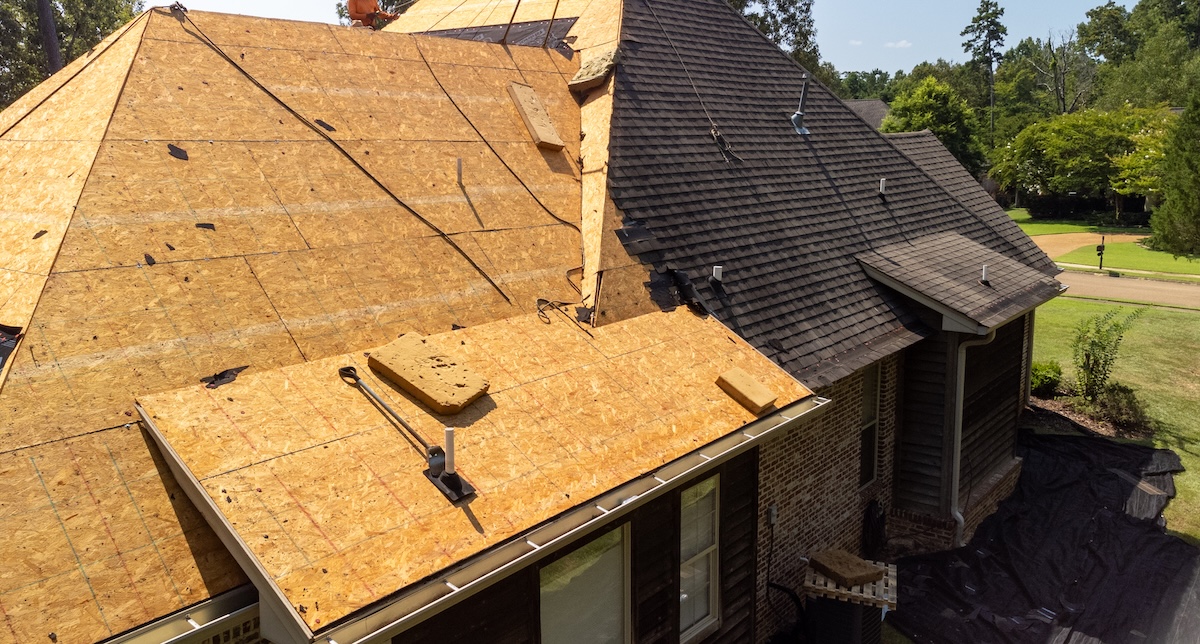
The single most important thing to understand about your policy is whether it covers your roof at replacement cost value or actual cash value, because this determines how much money you actually receive. Replacement cost value, or RCV, pays what it costs to replace your roof with comparable new materials at today’s prices, without deducting for the roof’s age, and your only out-of-pocket cost is typically your deductible. Actual cash value, or ACV, pays the depreciated value of your roof, meaning the insurer subtracts value for every year of the roof’s age before paying you. On an older roof, that depreciation can be enormous, leaving you responsible for a large share of the replacement cost.
- Replacement cost value: Pays to replace your roof with comparable new materials without deducting for age, leaving you responsible only for your deductible in most cases.
- Actual cash value: Pays the depreciated value of your roof, which on an older roof can be a small fraction of the actual replacement cost.
- Where to check: Look at your policy’s declarations page and dwelling coverage section, which specify whether your roof is covered under RCV or ACV terms.
- Why it matters most: The difference between RCV and ACV on a single roof replacement can be tens of thousands of dollars, so knowing which you have before a storm is essential.
2. Understand Your Deductible, Including Wind and Hail Provisions
Your deductible is the amount you pay out of pocket before your insurance contributes anything, and roof claims often involve a specific type of deductible that catches homeowners off guard. Many policies in Illinois carry a separate wind and hail deductible that is calculated as a percentage of your home’s insured value rather than a flat dollar amount. This distinction is critical because a percentage deductible can be far higher than the flat deductible you might assume applies. For example, a 2 percent wind and hail deductible on a home insured for $400,000 means you would pay $8,000 out of pocket before your insurance pays anything toward roof damage. Knowing your deductible structure before filing helps you determine whether a claim even makes financial sense for the damage you have.
- Flat deductible: A fixed dollar amount, such as $1,000 or $2,500, that applies to a covered claim regardless of your home’s value.
- Percentage deductible: A deductible calculated as a percentage of your dwelling coverage, common for wind and hail claims, which can be significantly higher than a flat amount.
- Do the math first: Calculate your actual deductible before filing so you know how much of the repair cost you will be responsible for regardless of coverage.
- Small claims caution: If the damage estimate is close to your deductible, filing may not benefit you financially and could affect your future premiums or renewability.
3. Recognize That Roof Age and Condition Affect Coverage
Your roof’s age and condition play a major role in both whether you are covered and how much you receive, and this factor has become increasingly significant in recent years. Many insurers now restrict coverage on older roofs, commonly switching to actual cash value coverage or applying a roof payment schedule once a roof reaches a certain age, often somewhere between 10 and 20 years depending on the carrier. Some insurers may decline to renew coverage on very old roofs entirely, or require an inspection before renewal. Beyond age, the documented condition of your roof matters. An insurer may attribute damage to pre-existing wear rather than a storm if your roof shows signs of deferred maintenance, which is why keeping records of inspections and maintenance works in your favor.
- Age thresholds: Many carriers change coverage terms once a roof passes a certain age, so a roof that was fully covered when new may carry reduced coverage today.
- Roof payment schedules: Some policies use a sliding scale that pays a decreasing percentage of replacement cost as the roof ages, which can substantially reduce an older roof’s payout.
- Condition documentation: Records of regular inspections and maintenance help demonstrate that damage came from a storm rather than long-term neglect.
- Check your renewal: Coverage terms can change at renewal, sometimes without prominent notice, so review your policy documents each year to catch any shift in roof coverage.
4. Know the Difference Between Covered Perils and Excluded Causes
Whether your damage is covered comes down to what caused it, and understanding the distinction between covered perils and excluded causes is essential before you file. A covered peril is a sudden, accidental event named in your policy, such as wind, hail, fire, or a falling tree. Damage from these events is generally eligible for a claim. Excluded causes, on the other hand, include gradual deterioration, normal wear and tear, aging, lack of maintenance, and in many cases specific issues like certain types of water damage. The line between a covered storm loss and an excluded wear-and-tear loss is exactly where most claim disputes happen, because an adjuster may look at storm damage on an older roof and attribute some or all of it to pre-existing aging. This is why documentation of the storm event and the roof’s prior condition matters so much.
- Covered perils: Sudden, accidental events named in your policy, typically including wind, hail, fire, and falling objects, are generally eligible for a claim.
- Excluded causes: Gradual wear, aging, deferred maintenance, and deterioration are almost universally excluded from coverage regardless of policy type.
- The gray area: Storm damage to an older roof often triggers disputes over whether the loss is truly storm-caused or partly age-related, which affects your payout.
- Documentation is your ally: Photos, professional inspection reports, and weather records establishing the storm event help support that your damage came from a covered peril.
What to Do Before You File a Roof Insurance Claim
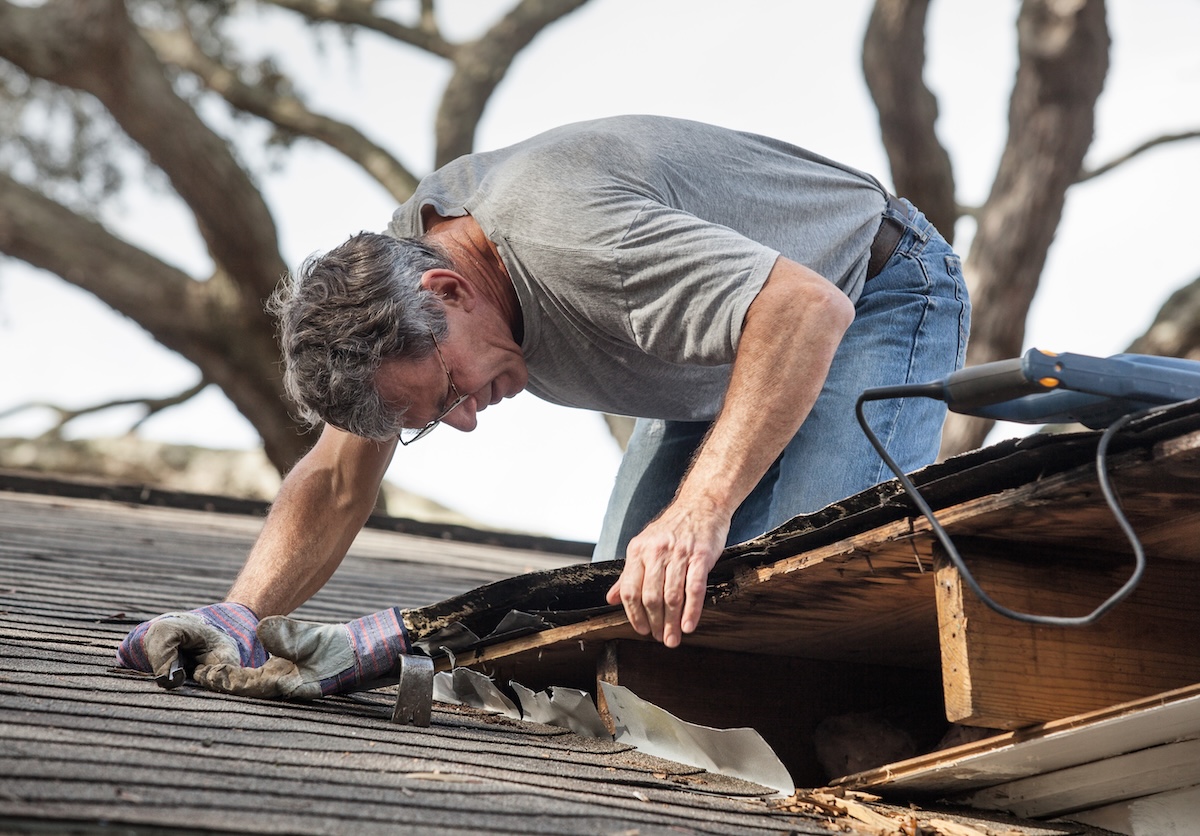
Because so much depends on your specific policy, the smartest move before filing is to understand what you are working with and get a professional assessment of the damage. Reading your policy, calculating your true deductible, and having a licensed contractor document the damage all put you in a position to make an informed decision rather than filing blindly and hoping for the best.
A complimentary inspection from a licensed roofing contractor is a valuable first step, because it gives you a professional assessment of the damage and its likely cause before you ever contact your insurer. If the damage is clearly storm-related and exceeds your deductible by a meaningful margin, filing a claim likely makes sense. If the damage is minor or close to your deductible, or if it appears age-related, a contractor’s honest assessment can save you from filing a claim that will not benefit you. This kind of informed preparation is far better than discovering your coverage limitations after a claim is already underway.
Frequently Asked Questions About Roof Insurance Coverage in Illinois
Does Homeowners Insurance Always Cover Roof Replacement?
No. Coverage depends entirely on your specific policy, the cause of the damage, and your roof’s age and condition. Damage from sudden covered perils like hail or wind is generally eligible, while damage from aging, wear, or deferred maintenance is almost always excluded. Always review your own policy, because terms vary significantly between carriers and even between policy years.
What Is the Difference Between RCV and ACV Coverage?
Replacement cost value (RCV) pays to replace your roof with comparable new materials minus your deductible, without deducting for age. Actual cash value (ACV) pays the depreciated value of your roof, which on an older roof can be far less than the actual replacement cost. Which one you have is one of the biggest factors in your payout, so check your policy to confirm.
Will My Insurance Cover an Older Roof?
It depends on your carrier and policy. Many insurers restrict coverage on roofs past a certain age, often switching to actual cash value or applying a roof payment schedule somewhere between 10 and 20 years old. Some may decline to renew coverage entirely on very old roofs. Review your policy and renewal documents to understand how your roof’s age affects your coverage.
Should I File a Claim for Every Instance of Roof Damage?
Not necessarily. If the damage estimate is close to your deductible, filing may not benefit you financially and could affect your future premiums or renewability. A complimentary inspection helps you assess the damage and its likely cause before deciding whether a claim makes sense for your situation.
How Do I Find Out What My Policy Actually Covers?
Start with your policy’s declarations page and dwelling coverage section, which specify your coverage type, deductibles, and limits. Your insurance agent can explain the terms in plain language. Reading and understanding these documents before a loss occurs, rather than after, is the best way to avoid unpleasant surprises at claim time.
Can a Contractor Help With My Insurance Claim?
A licensed contractor can inspect and document the damage professionally, which supports your claim, and some contractors have a licensed public adjuster on staff who can advocate for you with your insurer. Lifetime Restoration offers both, helping you understand your coverage and document your damage accurately. Be cautious of any contractor who guarantees a specific claim outcome, since no one can promise how an insurer will rule.
Let Lifetime Restoration Help You Understand Your Options in Homer Glen and Beyond
Navigating a roof insurance claim is complicated, and because so much depends on the specifics of your individual policy, having experienced professionals who will be honest with you makes a real difference. No contractor can promise a particular outcome from your insurer, but the right team can make sure your damage is properly documented, your options are clearly explained, and your claim is presented as strongly as possible.
Lifetime Restoration serves homeowners in Homer Glen and surrounding areas as a GAF Silver Pledge contractor, an Owens Corning Preferred contractor, and a Hardie-certified installer. We offer complimentary inspections so you get a professional assessment of your roof and its likely cause of damage before you ever file a claim. Our licensed public adjuster is available in-house to help you understand your policy and advocate for a fair settlement, and we offer financing options for situations where out-of-pocket costs are a concern regardless of what your insurer covers. Contact Lifetime Restoration today to schedule your complimentary inspection and get honest guidance on your roof and your coverage options.